%20(1).png?width=552&height=792&name=Untitled%20design%20(47)%20(1).png)
Solar Power System Types in Central Wisconsin
Northwind Solar designs and installs solar power systems for homes, farms, nonprofits, and businesses across central Wisconsin. From communities like Wausau, Marshfield, Stevens Point, Wisconsin Rapids, Appleton, and Oshkosh, we help you choose the right type of solar systemgrid‑tied or grid‑tied with battery backup based on your goals, site, and budget.

%20(1)%20(1).png?width=940&height=788&name=Untitled%20(Facebook%20Post)%20(1)%20(1).png)
What is a Solar Power System?
A solar electric system (also called a photovoltaic or solar PV system) captures sunlight using solar cells made from semiconductor materials. When sunlight hits these cells, it excites electrons and creates a flow of electrical current that can power your home or business.
How that electricity is used and how much independence you have from the utility depends on the type of system you choose. Most central Wisconsin properties use a grid‑tied system, with or without battery backup.
%20(1).png?width=1999&height=1545&name=How%20solar%20works%20(1)%20(1).png)
Grid‑Tied Solar Power Systems
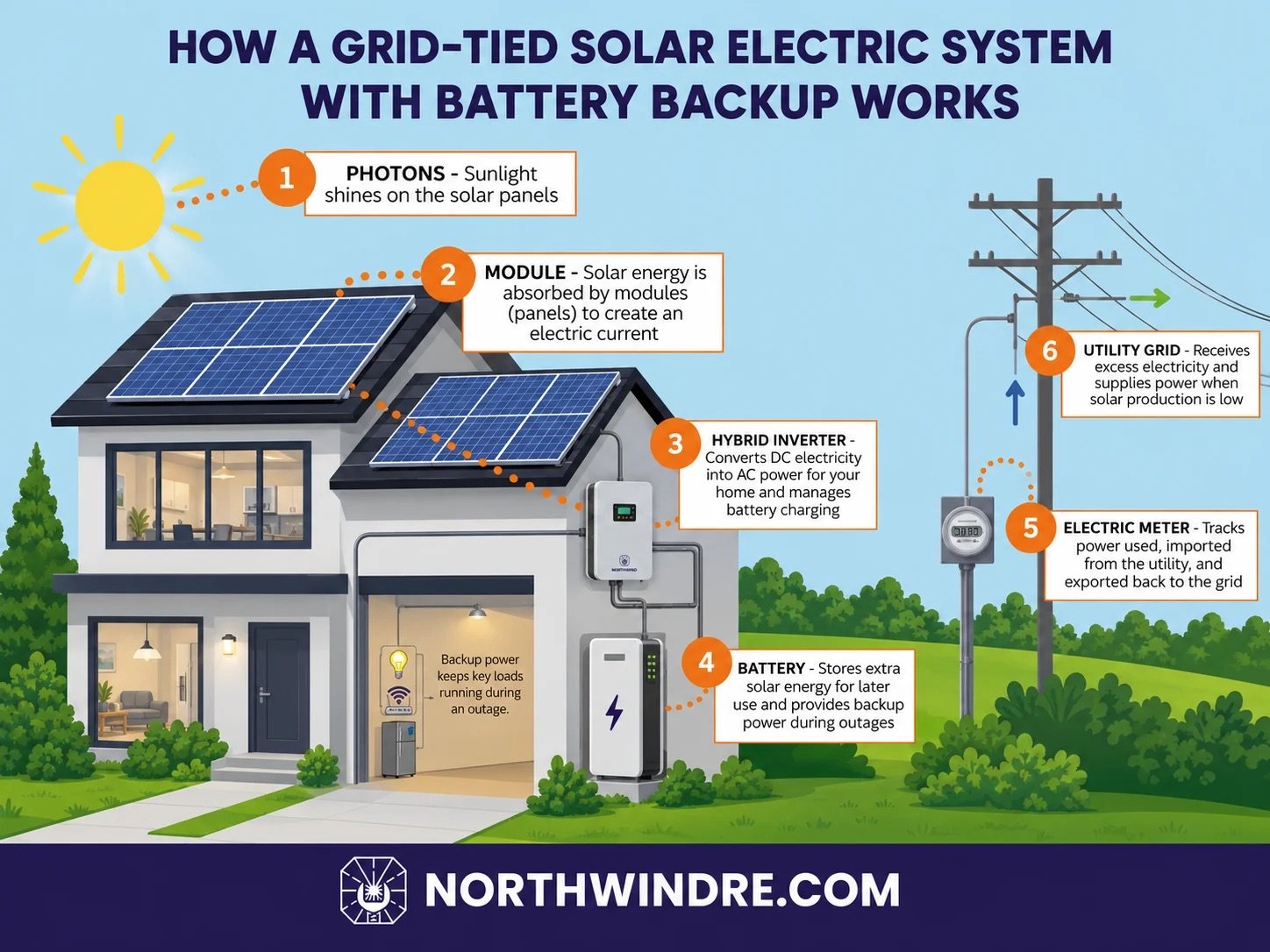
For many homes and businesses in central Wisconsin, a grid‑tied solar power system is the most cost‑effective choice. In this setup, your solar array is connected directly to your main breaker panel and works in partnership with your local utility.
In a typical grid‑tied‑only system, solar must automatically shut off during outages for safety, so utility lineworkers can work on power lines without the risk of unexpected backfeed. In other words, your solar system will not produce during a power outage.
How it works
When the sun is shining, your solar panels power the electrical circuits in your building first. If your system is producing more electricity than you’re using, the excess flows back through your utility meter onto the grid. Your utility tracks that exported energy through net metering and may provide bill credits based on the value they set.
When the sun isn’t shining
At night or during cloudy periods, you simply draw electricity from the grid as usual. In a sense, the utility acts as your “virtual battery” by supplying power when solar is not available. Over the course of each billing period, your solar production and grid usage are netted out, which is how many central Wisconsin customers are able to significantly reduce their electric bills with a grid‑tied system.
When grid‑tied makes sense
Grid‑tied systems are usually the simplest and most economical option when you already have reliable electric service and want to maximize financial savings.

Grid‑Tied Solar With Battery Backup
A grid‑tied solar system with battery backup—often called solar plus storage—starts with the same foundation as a standard grid‑tied system, but adds a battery bank so you can both make better use of your solar production and keep important loads running when the grid goes down. It’s a great fit for central Wisconsin homes and businesses that want more control over when they use solar power, plus extra peace of mind during outages.
How it works day‑to‑day
When the grid is up, your solar array powers your building and charges the battery. Instead of sending all excess solar back to the utility, some of that extra energy can be stored in the battery and used later, typically in the evening or during cloudy periods, so you buy less electricity from the utility. How much energy is stored versus exported can be configured as part of your system design, and any additional production can still be sent to the grid when allowed.
How it works during outages
If the grid fails, the system automatically disconnects from the utility and switches into backup mode, similar to unplugging a charger from a laptop. You may notice a brief flicker of the lights, then your battery and any available solar production take over. Unlike a standard grid‑tied‑only system, your solar array can keep producing and charging the battery during an outage, so you’re not limited to whatever charge was in the battery when the grid went down. In a typical grid‑tied‑only system, solar must automatically shut off during outages for safety, so utility lineworkers can work on power lines without the risk of unexpected backfeed.
Critical‑load vs whole‑home backup
Most solar plus storage systems focus on critical‑load backup. We work with you to identify essential circuits, such as: a well pump, refrigerator and freezer, heating system controls, sump pump, and internet router, and move them to a dedicated backup panel. By backing up only these key loads, the battery bank can be smaller and more cost‑effective while still providing meaningful protection. For some properties, it also makes sense to pursue whole‑home backup with larger batteries and thoughtful load management.
When battery backup makes sense
Grid‑tied systems with battery backup are especially popular with customers who experience frequent outages, rely on well water or critical equipment, or simply want to use more of their own solar energy and buy less from the utility while still enjoying the benefits of being grid‑connected. Batteries can be included with a new solar installation right away, or added later to an existing grid‑tied system as your needs, budget, or comfort with the technology evolve.
Roof‑Mount and Ground‑Mount Solar Options
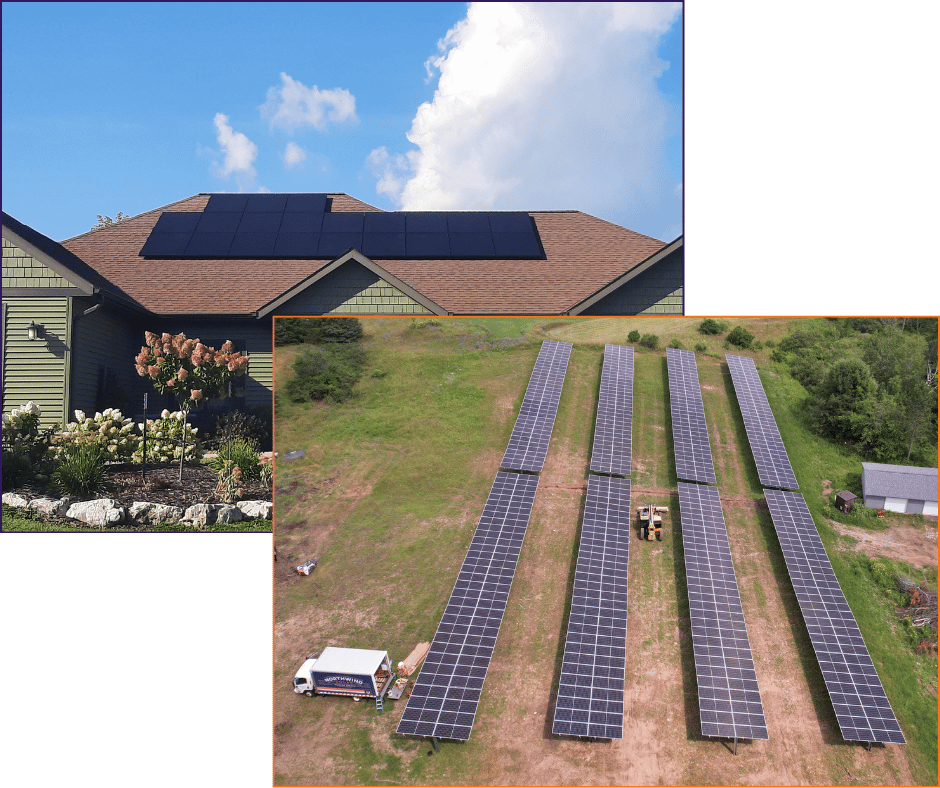
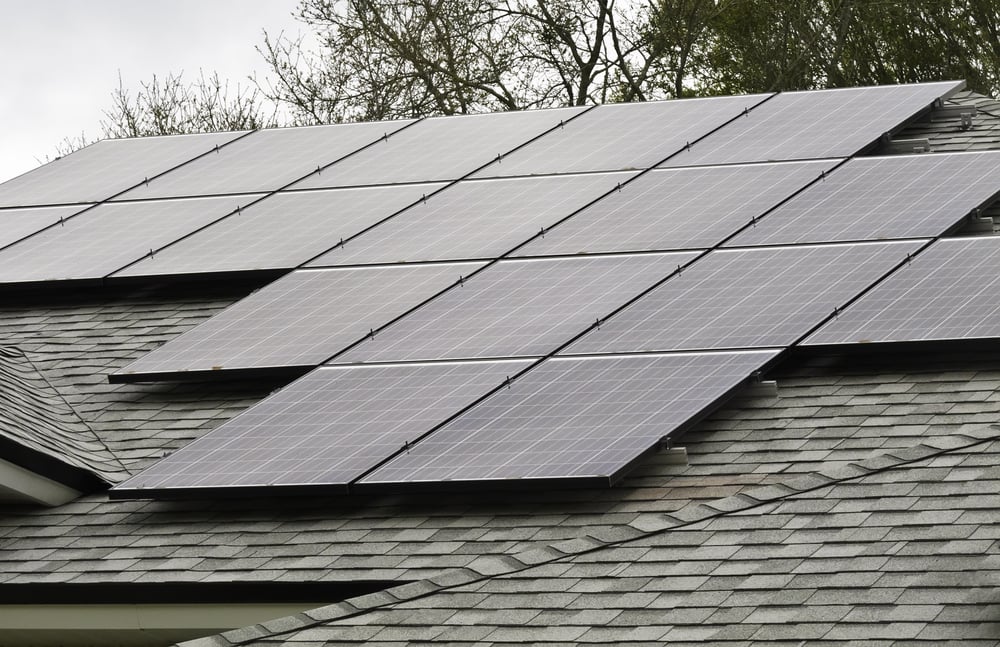
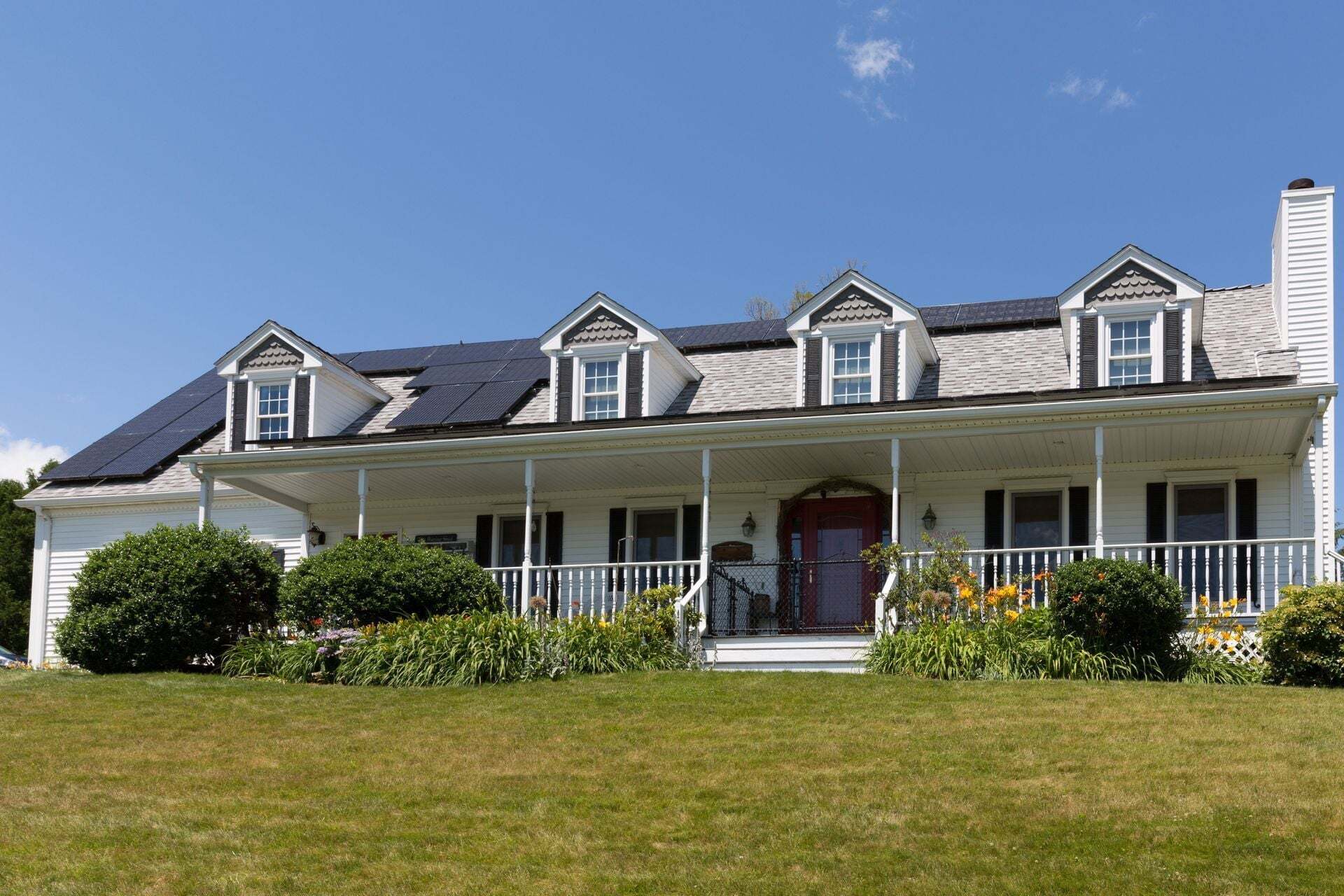
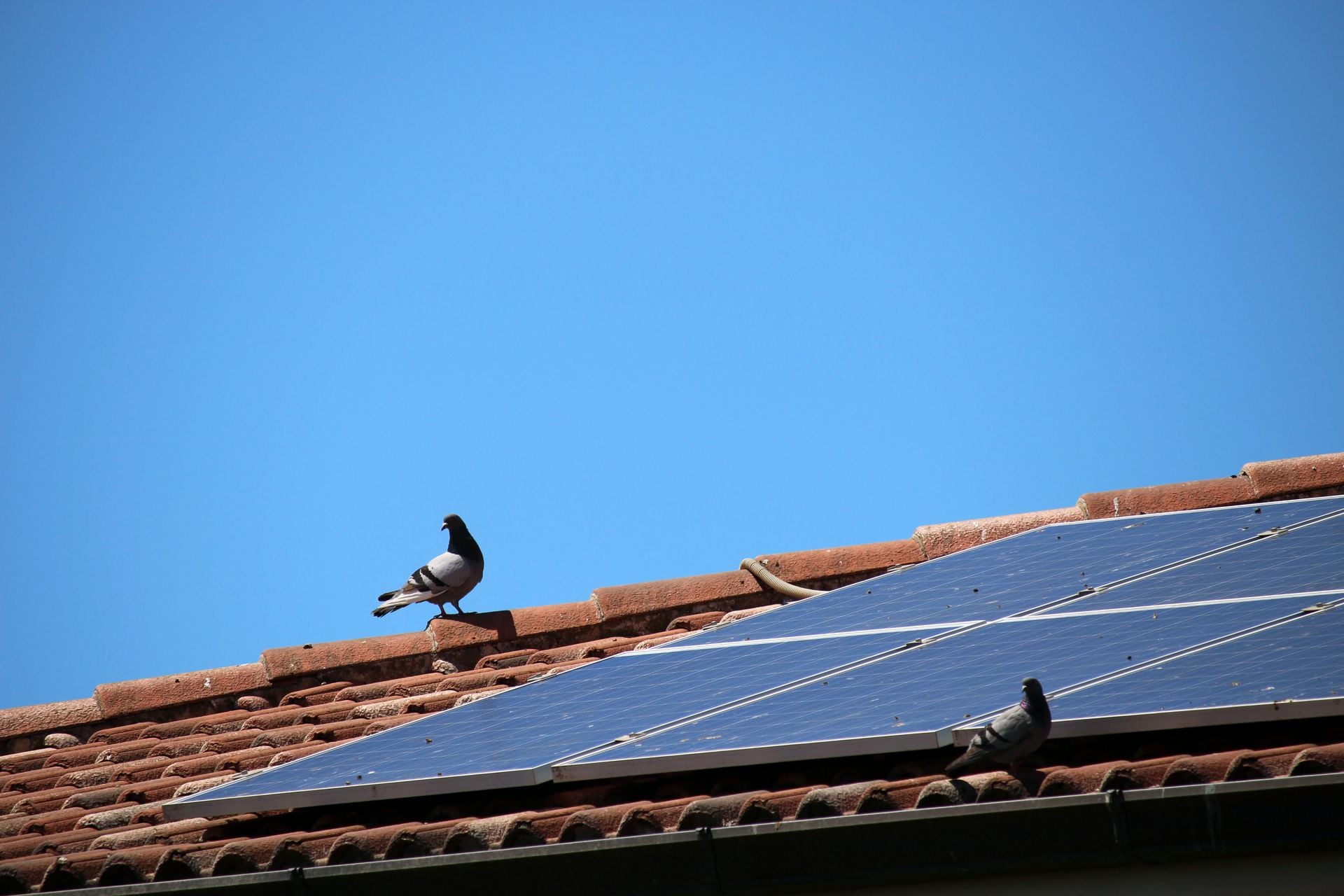
In Central Wisconsin, most solar power systems can be installed either on your roof or on a ground‑mount structure, depending on your site, shading, and goals. Our team designs both roof‑mount and ground‑mount systems for homes, farms, and businesses in communities like Wausau, Marshfield, Stevens Point, Wisconsin Rapids, Appleton, Oshkosh, and surrounding areas.
%20(1).png?width=552&height=792&name=Untitled%20design%20(47)%20(1).png)
%20(1).png?width=552&height=792&name=Untitled%20design%20(48)%20(1).png)
Ground‑mount Systems
How we help you choose
During design, we’ll compare roof‑mount and ground‑mount options for your property, taking into account aesthetics, site access, snow loading, future roof replacement plans, and budget. Our goal is to recommend the mounting solution that delivers the best long‑term performance and value for your specific location.

What About Off‑Grid Solar Power Systems?
Completely off‑grid solar power systems are designed to operate with no connection to the utility. They rely on substantial battery storage and often backup generators to provide power year‑round. Additionally, these systems require active monitoring and management from the system owner. They are most common at very remote properties where extending utility service would be extremely expensive or impractical.
At Northwind Solar, our primary focus is on grid‑tied and grid‑tied with battery backup (solar plus storage), because they offer the best balance of reliability, cost, and incentive eligibility for most homes and businesses in Central Wisconsin. If you’re curious whether a more independent approach could work for your property, we’re happy to talk through the trade‑offs.
Which Solar Power System Type Is Right for Your Central Wisconsin Home or Business?
Our design team will review your goals, utility options, and site conditions to recommend the system type that best balances energy independence, financial benefits, and long‑term reliability.
For Homes
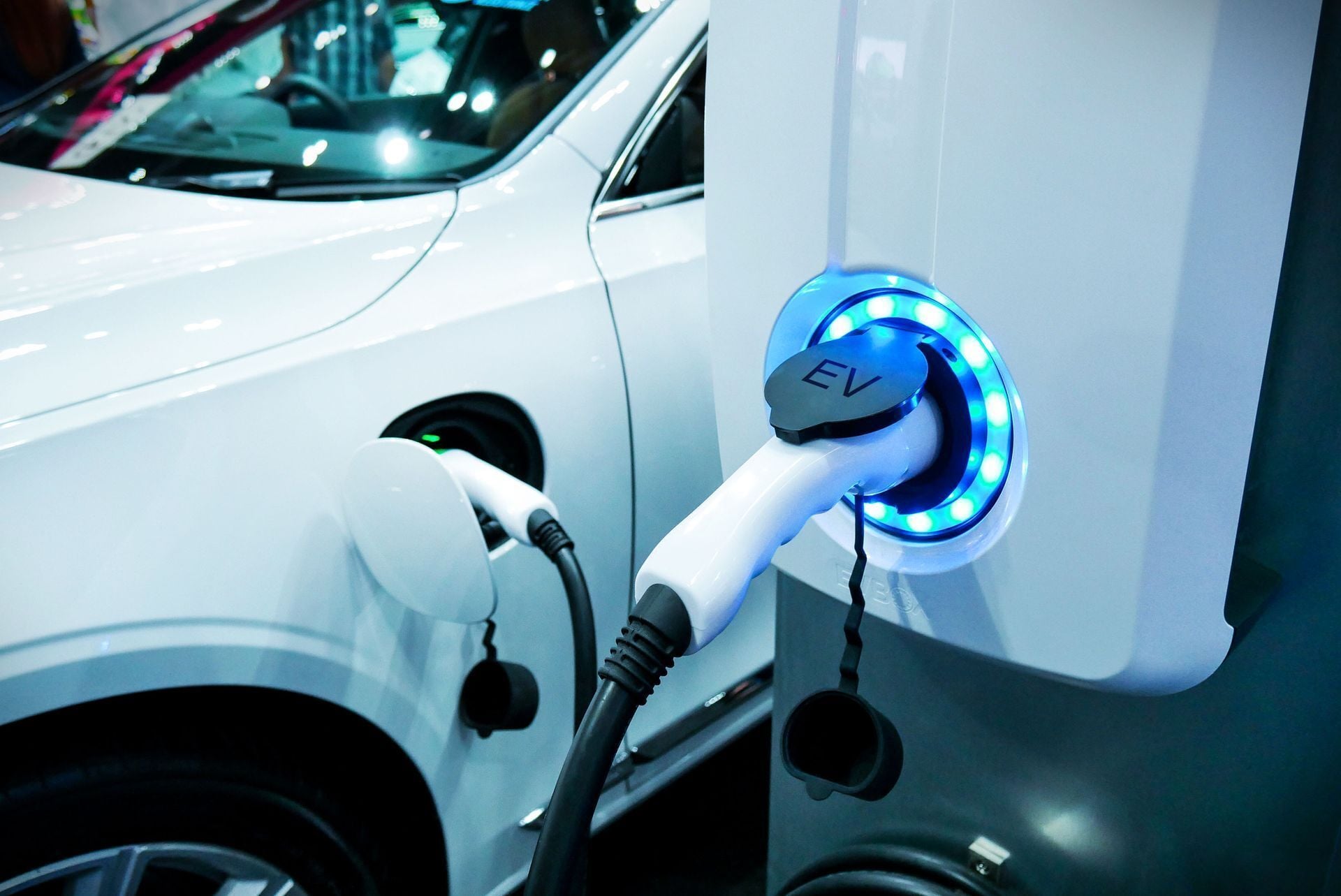
Household size, energy use patterns, roof orientation, and outage tolerance all influence the best system design. Most homeowners choose a grid‑tied system for maximum savings, or a grid‑tied + battery backup (solar plus storage) system for both savings and resilience. Electric vehicle charging stations can also be incorporated into the design.
For Businesses and Organizations
Commercial and nonprofit customers often prioritize operating cost reductions, sustainability goals, and reliability for critical equipment. Grid‑tied systems are common, sometimes paired with storage to keep essential loads running during outages and to make better use of on‑site solar production.
%20(1)%20(1)%20(1)-1.jpeg?width=2000&height=663&name=NW%20Office%20(3)%20(1)%20(1)%20(1)-1.jpeg)
Maintenance, Monitoring, and Service
Solar electric systems are relatively low‑maintenance, especially when they’re designed and installed correctly. Most grid‑tied systems simply need occasional visual checks, basic panel cleaning when needed, and periodic inspections to confirm everything is operating as designed.
Modern inverters and monitoring apps make it easy to keep an eye on performance. You can see how your system is producing from your phone or computer, and quickly spot anything that doesn’t look right.
Adding battery backup (solar plus storage) introduces more sophistication—batteries and backup settings benefit from regular check‑ins to ensure you’re getting the most out of stored energy and that backup operation is ready when you need it.
Northwind Solar backs every installation with a 10‑year workmanship warranty and a dedicated in‑house service department. If you ever have questions, see something unusual in your monitoring app, or want a routine system checkup, our technicians are here to help keep your solar investment working reliably for years to come.

%20(1).png?width=940&height=788&name=Untitled%20design%20(26)%20(1).png)
How Wisconsin Weather and Location Affect System Choice
Central Wisconsin’s long winters and snowy conditions make proper design and installation especially important. Panel angle and placement must allow snow to shed and capture as much sunlight as possible during shorter days. Working with a local installer experienced in Wausau, Marshfield, Stevens Point, Wisconsin Rapids, and surrounding communities helps you get reliable performance in real‑world conditions.
Location also matters for utility policies and incentives. Net metering rules, rebates, and tax credits can make grid‑tied systems particularly attractive in some areas, while hybrid systems with storage may be preferred where outages are more frequent. Our team will help you weigh weather challenges, utility options, and financial incentives when choosing your system type.
%20(1)%20(1).png?width=1920&height=1080&name=Untitled%20(1920%20x%201080%20px)%20(1)%20(1).png)
Future‑Proofing Your Solar Power System
Investing in solar is about more than this year’s electric bill, it’s about preparing for future energy needs, and locking in a levelized cost of energy. We focus on systems that are scalable, efficient, and compatible with battery storage, EV charging, and smart load management.
By choosing high‑quality equipment and a thoughtful system design, you leave room to expand your solar array, add batteries, or integrate new loads such as electric vehicle charging as your home or business evolves.

.png)